
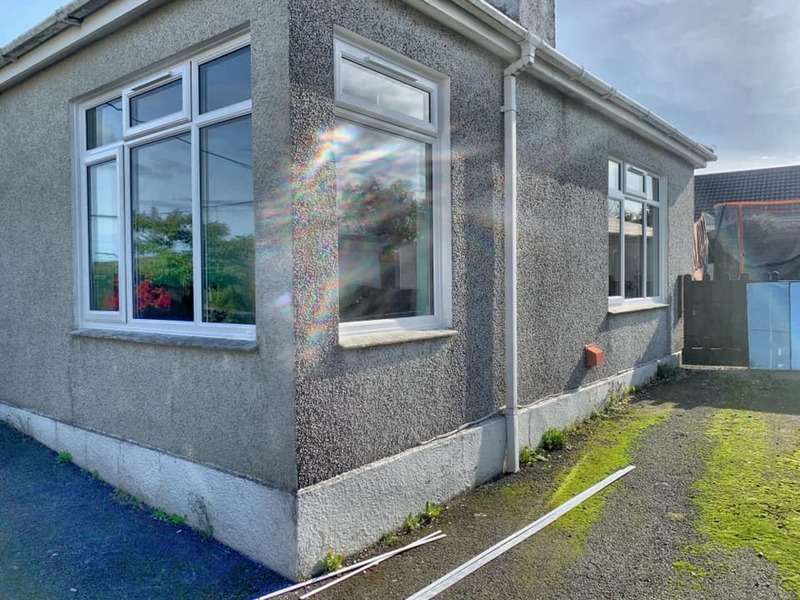
When windows become draughty, misted, stiff to open or difficult to lock, it is natural to wonder whether you need a full replacement or whether a repair will solve the problem. In many cases, repairing your windows is the most practical and cost-effective first step, especially when the frames are still sound and the issue is linked to glass, hinges, locks, handles or seals.
This guide explains how to decide between window repair and replacement, what signs to look for, and when professional advice is worth getting.
The Quickest Way To Decide
You should usually repair your windows if the frames are in good condition and the problem is limited to a failed sealed unit, misted glass, worn hinges, faulty locks, broken handles or draughty seals.
You may need replacement windows if the frames are rotten, badly warped, repeatedly failing or no longer providing adequate insulation despite previous repairs.
The simplest rule is this: repair the working parts where possible, replace the full window only when the structure or long-term performance no longer makes repair worthwhile.
When Window Repairs Are Usually The Better Option
Window repairs are often suitable when the main frame is still structurally sound. Many common problems are caused by individual parts wearing out rather than the whole window failing.
Repair may be the better choice if you are dealing with:
- Condensation between double glazing panes
- Misted or cloudy glass
- Broken window handles
- Faulty locks or locking mechanisms
- Worn hinges or friction stays
- Draughts around opening windows
- Minor alignment problems
- Cracked or damaged glass
For example, misted double glazing is often caused by a failed sealed unit. In that situation, the glass unit can often be replaced without removing the entire frame. This can restore the appearance and performance of the window without the cost and disruption of full replacement.
For more detail on this type of work, you can read about our glazing and window repairs.
When Replacement Windows May Be Necessary
Repair is not always the right answer. Sometimes a full replacement is the more sensible long-term option, particularly if the window has wider structural issues.
Replacement may be worth considering if:
- Timber frames are rotten or severely deteriorated
- uPVC frames are badly warped or cracked
- The window has repeated faults after previous repairs
- There is significant water ingress around the frame
- The window no longer closes securely
- The glazing and frame are both performing poorly
- You want a major upgrade in style, efficiency or layout
Energy-efficient windows can help reduce heat loss, draughts and condensation, according to the Energy Saving Trust. However, the right option depends on the condition of your existing windows and whether targeted repairs would solve the issue first.
Repair Vs Replacement: Common Scenarios
Misted Double Glazing
If condensation appears between the panes of glass, the sealed unit has usually failed. The Glass and Glazing Federation notes that condensation within the cavity of a sealed double-glazed unit indicates seal failure.
In many cases, this does not mean the whole window needs replacing. A sealed unit replacement may be enough.
Draughty Windows
Draughts can be caused by worn seals, poor alignment or tired hinges. These are often repairable problems.
Replacement is more likely to be needed if the frame itself is distorted, badly damaged or no longer sealing properly even after adjustment.
Stiff Or Jammed Windows
Windows that are difficult to open or close often have worn hinges or alignment issues. These faults are usually repairable.
Leaving them too long can place extra strain on the frame, locking system and handle, so early repair is usually the better route.
Broken Locks Or Handles
Faulty locks and handles do not usually mean the window needs replacing. In many cases, the affected part can be replaced to restore security and ease of use.
This is especially important for ground-floor windows, rental properties and homes where security is a concern.
Old But Functional Windows
Older windows are not automatically beyond repair. If the frame is solid and the problems are limited to glass or hardware, repair may still be worthwhile.
Replacement becomes more relevant when old windows are no longer efficient, secure or practical to maintain.
How To Check Your Windows Before Making A Decision
Before assuming you need new windows, carry out a simple visual check.
Look for:
- Moisture between panes of glass
- Cracks in the glass
- Gaps around opening sections
- Loose or stiff handles
- Windows that drop when opened
- Locks that do not engage properly
- Visible corrosion on hinges
- Soft, rotten or distorted frames
- Water marks around the window reveal
If most issues are linked to moving parts or glass, repair is likely to be worth exploring. If the frame itself is failing, replacement may be more appropriate.
Cost Considerations Without Guesswork
Window repair is often cheaper than full replacement, but the actual cost depends on the issue, the parts required, the size of the window, access, glass specification and how many units are affected.
Factors that influence repair costs include:
- Whether glass needs replacing
- Whether specialist safety glass is required
- The type and size of sealed unit
- The condition of hinges, locks or handles
- Whether the frame needs adjustment
- The number of windows needing attention
Factors that influence replacement costs include:
- Frame material
- Window size and style
- Glazing specification
- Number of units
- Installation complexity
- Any finishing or making-good work required
A good repair-first assessment should explain whether repair is sensible, whether replacement would be better, and why.
Why Coastal Homes Need A Careful Assessment
For homes in Cornwall, coastal weather can affect windows and doors over time. Salt in the air, moisture, strong winds and seasonal temperature changes can contribute to corrosion, failed seals, stiff hinges and draughts.
That does not mean coastal homes always need replacement windows. In fact, targeted repairs are often enough to restore function and comfort when the main frame is still in good condition.
This is why a practical inspection is important. The right answer depends on what has failed, not simply how old the window is.
The Most Common Mistakes Homeowners Make
Assuming Misted Glass Means Full Replacement
Misted glass often points to a failed sealed unit, not a failed frame. Replacing the glass unit may solve the issue.
Ignoring Small Hardware Faults
A stiff hinge or loose handle can become a bigger problem if left unresolved. Small repairs can help prevent wider damage.
Replacing Windows Too Early
Some windows are replaced when a repair would have been enough. This can lead to unnecessary cost and disruption.
Repairing Frames That Are Too Far Gone
Repair is not always the best option. If the frame is rotten, warped or insecure, replacement may offer better long-term value.
Questions To Ask Before Choosing Repair Or Replacement
Before making a decision, ask:
- Is the frame still structurally sound?
- Is the problem with the glass, hardware or seals?
- Has the same fault happened before?
- Is the window secure?
- Is the window still energy efficient enough?
- Would repair extend its life meaningfully?
- Would replacement solve several problems at once?
These questions help you avoid both unnecessary replacement and short-term repairs that do not address the real issue.
Frequently Asked Questions
Is It Worth Repairing Old Double Glazing?
Yes, it can be worth repairing old double glazing if the frames are still in good condition and the issue is limited to the sealed unit, hinges, handles, locks or seals.
Can You Replace Just The Glass In A Window?
In many cases, yes. If the frame is sound, damaged or failed glass can often be replaced without changing the whole window.
Does Misted Double Glazing Mean I Need New Windows?
Not always. Misted double glazing usually means the sealed unit has failed. The unit itself may be replaceable while keeping the existing frame.
When Should I Stop Repairing My Windows?
If repairs are becoming frequent, the frames are deteriorating, or the window no longer offers good security or insulation, replacement may be the better long-term option.
Can Window Repairs Improve Energy Efficiency?
Yes, repairs such as replacing failed sealed units, improving seals, adjusting alignment and fixing draughts can help improve comfort and reduce heat loss.
Getting Honest Advice Before You Decide
The best choice is not always the biggest job. If your windows are misted, draughty, stiff, damaged or difficult to lock, it is worth getting a repair-first opinion before committing to full replacement.
At Coast2Coast Window Repairs, we help homeowners understand whether repair or replacement is the most practical route. You can explore our window repair services or contact our team to request a free, no-obligation quotation.