
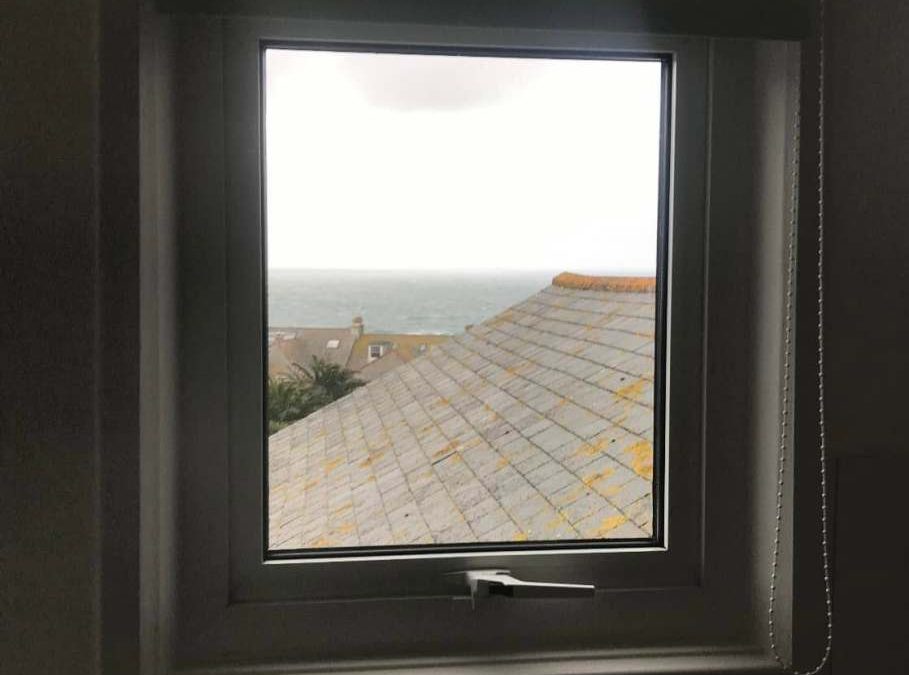
If your window makes a high-pitched whistling noise whenever the wind picks up, it’s usually because air is being forced through a small gap around the window.
The sound can be particularly noticeable during strong winds, when differences in air pressure cause air to move through narrow openings. The gap might be around the window seals, between the opening sash and frame, or where the window meets the surrounding wall.
A whistling window does not automatically need replacing. In many cases, the cause can be identified and a targeted repair may be possible.
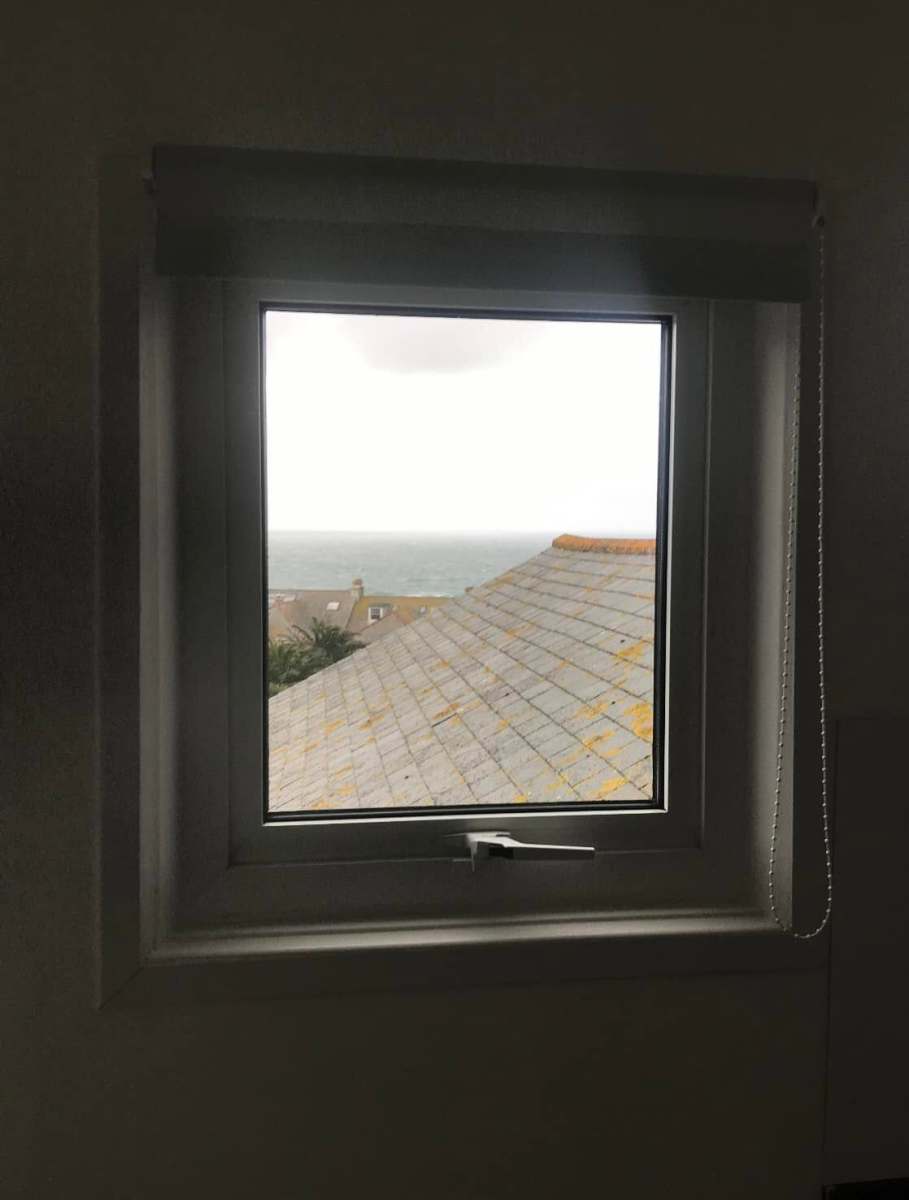
What Actually Causes The Whistling Sound?
Whistling happens when moving air passes through a narrow opening at sufficient speed to create an audible sound.
During windy weather, pressure builds on one side of a property while pressure on other sides may be lower. If there is a small gap in or around a window, air can move through it.
The shape and size of that opening can produce a high-pitched whistle.
This explains why a window might be completely quiet on a calm day but start making noise as soon as the wind changes direction or becomes stronger.
Where Could The Air Be Getting Through?
Several different faults can allow air to pass around a window.
Worn Or Damaged Window Seals
Rubber gaskets and weather seals help prevent air and water from entering around an opening window.
Over time, they can become compressed, damaged or displaced. This may leave small gaps that become noticeable during windy weather.
Worn Or Misaligned Hinges
Window hinges help position the opening sash correctly against the frame.
If the hinges become worn or the sash drops slightly, the window may no longer close evenly. This can prevent the seals from making proper contact.
Faulty Window Locking Mechanisms
Many modern windows use locking points to pull the sash tightly against the frame.
If the locking mechanism is damaged or incorrectly adjusted, the window may appear closed without sealing properly.
Gaps Around The Window Frame
Sometimes the sound comes from the joint between the window frame and the surrounding wall rather than the opening section.
Deteriorated perimeter sealant or gaps around the installation can allow air to pass through.
Window Vents & Ventilation Openings
Some windows have trickle vents designed to provide background ventilation.
Air passing through a vent can sometimes create noise in strong winds, even when the window itself is functioning correctly.
A whistling sound near a vent does not necessarily indicate a faulty window. Ventilation openings should not simply be sealed shut without considering their purpose.
How Can I Tell Where The Whistling Is Coming From?
You may be able to narrow down the source without taking the window apart.
- Listen to where the sound is loudest. Is it coming from the opening sash, the frame edges or a ventilation vent?
- Check that the window is fully closed. Make sure the handle has been operated normally and the locking mechanism has engaged.
- Look for visible gaps. Check whether the opening section sits evenly against the frame.
- Inspect accessible seals. Look for sections that appear loose, damaged or out of position.
- Notice when the noise occurs. Does it happen only during strong winds or when the wind blows from a particular direction?
These observations can help identify a possible cause, but they may not pinpoint the exact fault.
Avoid leaning out of upper-floor windows, forcing stiff handles or dismantling window fittings. If the window feels loose or unsafe, arrange an inspection.
Does A Whistling Window Mean It’s Letting In Cold Air?
Not always, but the two problems can be connected.
If the whistling is caused by an unintended gap around the sash, seals or frame, that opening may also allow cold air into the room.
You might notice a draught near the window, particularly during windy weather.
However, noise from a purpose-designed ventilation vent is different from air leaking through a damaged seal. Some airflow through these vents is intentional.
The important distinction is whether the sound comes from normal ventilation or a fault that needs attention.
Can A Whistling Window Be Repaired?
Often, yes. The appropriate repair depends on where the air is entering and why the gap has developed.
Possible solutions include:
- Replacing damaged or worn window seals.
- Repairing or replacing faulty hinges.
- Adjusting the opening sash where suitable.
- Repairing a locking mechanism that is not pulling the window closed properly.
- Renewing deteriorated sealant around the frame where appropriate.
If the sound comes from a trickle vent, the solution may be different. The vent’s design, condition and ventilation requirements need to be considered.
Replacing the entire window is not usually the first step unless there are more significant problems with the frame, sash or installation.
Should I Seal The Gap Myself?
It is best to identify the source before applying sealant or draught-proofing materials.
Adding sealant in the wrong place can interfere with opening mechanisms, drainage channels or ventilation.
For example, sealing over a trickle vent may affect the background ventilation intended for the room. Similarly, applying sealant around an opening sash could prevent it from operating correctly.
If the problem is caused by worn hinges or poor alignment, additional sealant will not correct the underlying fault.
When Should I Have The Window Checked?
A professional assessment is sensible if:
- The whistling is accompanied by a noticeable draught.
- The window has become difficult to open or close.
- You can see uneven gaps around the opening sash.
- The hinges, handles or locking mechanism appear damaged.
- Water is entering around the window.
- The noise has become noticeably worse over time.
If water is entering, the sash feels unstable or the window cannot be secured properly, the problem should be addressed promptly.
Frequently Asked Questions
Why Does My Window Only Whistle In Strong Winds?
Stronger winds create greater pressure differences around a building. This can force air through small openings at sufficient speed to produce a whistling sound. During calmer weather, the same gap may be silent.
Can Double-Glazed Windows Whistle?
Yes. Double glazing does not prevent whistling if air is passing around the opening sash, seals, vents or frame. The noise is not necessarily caused by the glass itself.
Will Replacing Window Seals Stop The Noise?
It may, if damaged or compressed seals are responsible. However, worn hinges, poor alignment, locking faults and ventilation vents can produce similar sounds, so the source should be checked first.
Is A Whistling Window Dangerous?
The noise itself is not usually dangerous. However, it may indicate a window that is not closing or sealing correctly. If the window is loose, cannot be secured or allows water to enter, it should be assessed.
Do I Need A New Window If It Whistles?
Not necessarily. Many causes of whistling can be addressed through smaller repairs, including seal replacement, hinge repairs or adjustments. Full replacement is generally considered when the existing window cannot be repaired satisfactorily.
Need Help Identifying A Whistling Window?
A whistling noise can be frustrating, but it does not always mean there is a major problem with your window. The first step is finding out where the air is passing through and whether a seal, hinge, locking mechanism or another component needs attention.
At Coast2Coast Window Repairs, we help homeowners across Cornwall investigate draughty windows, faulty hinges and other common window problems. We focus on practical repairs wherever possible.
If your window whistles whenever the wind picks up, you can explore our glazing and window repair services or contact us for a free quotation.