

If you can feel cold air coming through or around a closed window, there is usually an unwanted gap somewhere in the window system. The good news is that a draughty window does not automatically need replacing.
Worn seals, poor alignment, ageing hinges or a window that is no longer closing tightly against the frame can all cause draughts. In some cases, the problem may be around the frame itself.
The important thing is to identify where the air is getting in and what has caused the gap before deciding on the right repair.
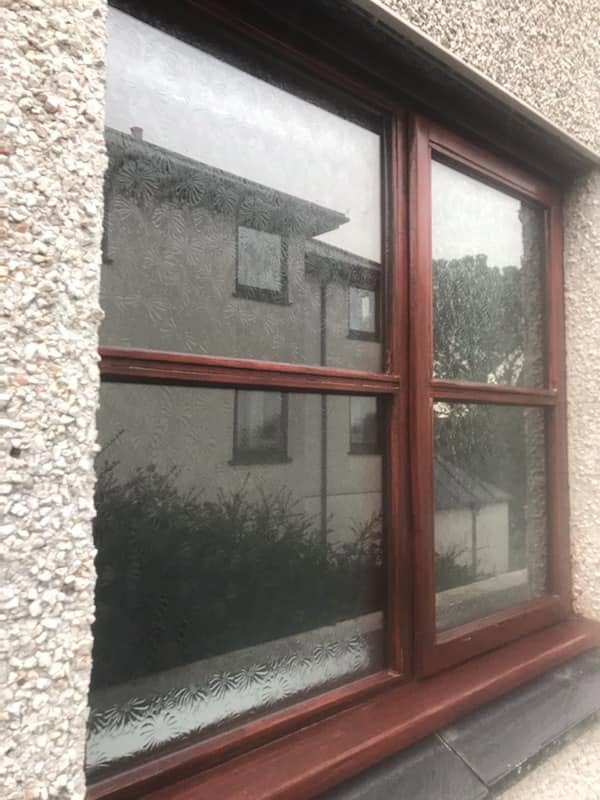
What Usually Causes A Draughty Window?
A draught occurs when outside air enters through an unintended gap. This is different from controlled ventilation, such as a trickle vent, which is designed to allow airflow into the property.
If a window that previously closed properly has started feeling draughty, possible causes include:
- Worn or damaged seals around the opening section
- Poor window alignment that leaves an uneven gap
- Worn hinges preventing the window from closing tightly
- Locking problems that stop the window pulling firmly against the frame
- Gaps around the frame where it meets the surrounding wall
- Wider deterioration affecting how the window fits or operates
Where you can feel the draught can sometimes provide a useful clue, although the most obvious gap is not necessarily the underlying cause.
Common Reasons Cold Air Gets Through
Worn Or Damaged Seals
Opening windows often use flexible seals or gaskets to help create a barrier when they are closed.
These components can become compressed, loose or damaged over time. If a seal is no longer making consistent contact, a small gap can allow outside air into the room.
Replacing a worn seal may solve the problem in some cases. However, the rest of the window should also be considered because a new seal will not necessarily correct poor alignment or worn hardware.
Poor Window Alignment
A window needs to meet the frame evenly when it closes.
If the opening section has moved slightly out of position, one side may close tightly while another leaves a gap. You may also notice the window catching, becoming harder to close or appearing uneven within the frame.
The underlying issue can involve hinges or other components, so correcting the cause is more important than simply covering the visible gap.
Worn Window Hinges
Hinges affect both the movement and positioning of an opening window.
When they become worn or damaged, the window may no longer sit tightly against its seals. A draught near the hinge side, difficulty closing or an uneven gap can all indicate that the hardware needs attention.
This is the kind of smaller fault that may be repairable without replacing the complete window.
Locking Mechanism Problems
The locking mechanism helps keep an opening window firmly closed.
If part of the mechanism is worn, damaged or poorly aligned, the window may look closed without being held evenly against the frame. This can leave enough space for cold air to enter.
If the handle has also become unusually stiff, avoid repeatedly forcing it. The resistance may be a sign that something is no longer aligned or operating correctly.
Gaps Around The Frame
Not every draught comes through the opening section.
Air can sometimes enter around the fixed frame where it meets the surrounding wall or internal finish. In that situation, changing hinges or other window hardware would not address the actual problem.
Identifying whether the draught is coming through the opening window or around the complete frame is therefore an important first step.
How Can You Find Where The Draught Is Coming From?
You can make a few simple observations without dismantling or adjusting the window.
With it fully closed, carefully check around the opening section and the outer frame. Look and feel for:
- Visible gaps along one side of the window
- Cold air movement around a particular edge
- Uneven positioning within the frame
- Resistance or catching when opening and closing
- Loose or damaged seals
- Rattling or whistling during windy weather
The Energy Saving Trust also recommends looking and listening for obvious gaps, rattling and whistling when identifying unwanted draughts.
These signs can help narrow down the problem, but several window components work together. What appears to be a seal problem, for example, could actually be caused by poor alignment.
Is It Definitely A Draught?
Feeling cold beside a window does not always mean outside air is physically getting through.
The glass itself can feel noticeably colder than the rest of the room during colder weather. This can make the area around a window uncomfortable even when there is no obvious air leakage.
A genuine draught involves unwanted air movement through a gap.
If you can feel moving air, hear whistling or identify a visible gap, a draught is more likely. If the problem is simply that the glass feels cold, the cause and potential solution may be different.
It is also worth remembering that trickle vents are intentional ventilation and should not simply be blocked in an attempt to stop all airflow.
Can A Draughty Window Be Repaired?
In many cases, a draught can be addressed without replacing the entire window, particularly if the frame itself remains in suitable condition.
Depending on the cause, repair work could involve:
- Replacing worn hardware
- Addressing hinge problems
- Correcting alignment
- Repairing locking components
- Replacing suitable seals or gaskets
- Investigating gaps around the frame
The right solution depends on what has actually failed.
At Coast2Coast Window Repairs, this fits with our repair-first approach. Rather than assuming a draught means a new window is required, the aim is to establish whether an individual component can reasonably be repaired or replaced.
You can find more information about our glazing & window repair services.
When Might A New Window Be More Appropriate?
Repair is not always the best option.
Replacement may make more sense where the frame itself is significantly damaged, distorted or deteriorated, or where several wider problems are affecting the same window.
The decision should be based on its overall condition rather than the draught alone.
Useful questions include:
- Is the frame still in suitable condition?
- Does the window open, close and lock correctly?
- Is the fault limited to one component?
- Are several different problems developing at once?
- Would a targeted repair provide a worthwhile solution?
If you are weighing up the two options, our guide to repairing or replacing your windows explains the decision in more detail.
Why Draughts Can Feel Worse In Exposed Weather
A small gap can become much more noticeable when the weather is windy.
That is particularly relevant for homes in exposed parts of Cornwall. Stronger wind does not necessarily cause the original window fault, but it can make an existing weakness in the seals, alignment or closing mechanism much easier to notice.
If a window starts whistling, rattling or letting in noticeable cold air during windy conditions, it is worth checking how well it closes rather than assuming that is simply something you have to accept.
Frequently Asked Questions
Why Has My Window Suddenly Become Draughty?
A draught can develop when seals deteriorate, hinges wear, the window moves slightly out of alignment or the locking mechanism stops holding it tightly against the frame. An assessment can help identify which component is responsible.
Can Window Seals Be Replaced?
Some seals and gaskets can be replaced, depending on the window and the cause of the problem. However, replacing a seal will not necessarily solve a window that is poorly aligned or not closing correctly.
Why Does My Window Whistle In The Wind?
Whistling often occurs when air is being forced through a small gap. The gap may be around the opening section, seals or another part of the window.
Do Draughty Windows Always Need Replacing?
No. If the frame remains suitable and the problem is caused by a repairable component, targeted work may be enough. Replacement becomes more relevant where the wider window has significantly deteriorated.
Is Misted Double Glazing The Same Problem?
No. Misting between panes usually relates to the sealed glass unit, whereas a draught involves unwanted air entering through or around the window. They are separate problems, although a window can potentially experience both.
Not Sure Where The Draught Is Coming From?
A draught is a sign that unwanted air is finding its way through, but it does not automatically tell you which part of the window needs attention.
Before assuming you need a complete replacement, it is worth establishing whether the problem involves the seals, hinges, locking mechanism, alignment or another repairable component.
Coast2Coast Window Repairs provides practical window repair services across Cornwall, with smaller repair jobs welcomed and a repair-first approach wherever appropriate.
If your window is letting in cold air, no longer closing properly or has developed another fault, contact Coast2Coast Window Repairs for a free, no-obligation quotation.