
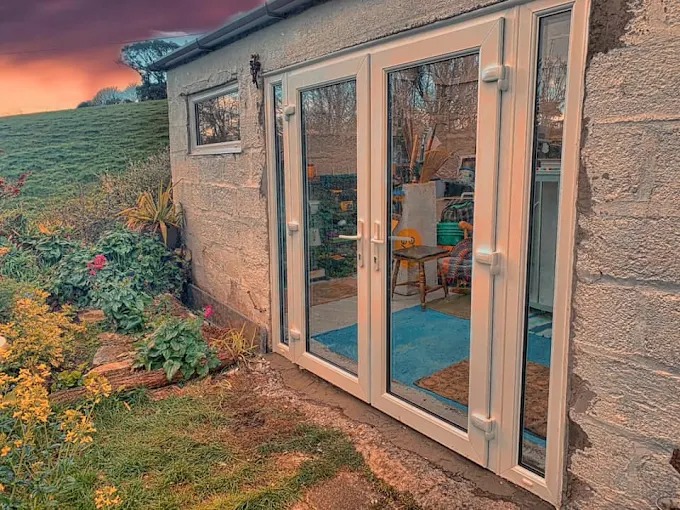
Has your uPVC door started catching on the frame, scraping against the threshold or becoming difficult to lock? These are common signs of a dropped or misaligned uPVC door.
A door that once opened and closed smoothly can gradually shift out of position. You might find yourself lifting the handle harder, pulling the door towards you or applying extra pressure just to turn the key.
Fortunately, a dropped door doesn’t automatically need replacing. Understanding the causes and warning signs can help you identify when an adjustment or repair may be needed.
Why Do uPVC Doors Drop Out Of Alignment?
A uPVC door can drop when its hinges become loose or worn, its glazing or panel loses the correct support, or the door and frame shift out of alignment.
The opening section, known as the sash, needs to sit squarely within its frame. Hinges support its weight, while the glazing or panel and associated fittings help maintain its position.
When these components no longer work together correctly, the door may begin to sag towards the handle side, making it difficult to open, close or lock.
Five Common Causes Of A Dropped uPVC Door
Although a dropped door may appear to be a simple hinge problem, several faults can produce similar symptoms.
Worn Or Loose Door Hinges
Hinges support the weight of the door and allow it to move smoothly. Over time, repeated use can cause them to loosen, wear or move out of position.
Some uPVC hinges are adjustable, meaning minor alignment problems can sometimes be corrected without replacement. However, damaged or excessively worn hinges may need replacing.
Incorrect Glazing Or Panel Support
On suitable uPVC doors, the glass or panel helps keep the opening section square.
A technique called toe and heeling uses specialist glazing packers to support the door correctly. If these packers are incorrectly positioned or shift, the handle side can begin to drop, even when the hinges remain serviceable.
Correcting the support of the glazing or panel may restore alignment without replacing the door.
General Wear & Everyday Use
Regular opening and closing places repeated strain on hinges, fixings and other components.
Over time, this can contribute to misalignment, particularly if a door is already catching or requires extra force to close.
Continuing to force a stiff door may increase wear, so changes in how it operates are worth investigating.
Frame Movement & Poor Alignment
Sometimes the problem involves the surrounding frame rather than the door itself.
An incorrectly fitted, distorted or shifting frame can prevent the door from sitting evenly within its opening.
You may notice uneven gaps or persistent catching despite the hinges appearing secure. In these circumstances, hinge adjustments alone may not resolve the problem.
Faulty Locks & Associated Hardware
Many uPVC doors use multipoint locking systems, where several locking points engage with fittings in the frame.
If the door drops, these points may no longer line up correctly, making the handle or key difficult to operate.
However, worn locking components can cause similar symptoms even when the door is correctly aligned. Identifying the underlying fault is important before replacing parts.
Warning Signs Your uPVC Door Has Dropped
A misaligned door can produce several noticeable symptoms:
- Catching against the frame: The door scrapes or meets resistance when opening or closing.
- A stiff handle: Extra force is needed to engage the locking mechanism.
- Difficulty turning the key: The locking points may not be lining up correctly.
- Uneven gaps: One side or corner sits noticeably closer to the frame.
- Scraping at the threshold: The bottom edge catches as the door moves.
- New draughts: Poor alignment prevents the door from pressing evenly against its seals.
These signs don’t always confirm a dropped door. Faulty locks, worn seals and other hardware problems can cause similar issues, particularly when only one symptom is present.
Can A Dropped Door Damage The Locking Mechanism?
Yes. A dropped uPVC door can place additional strain on its locking mechanism when the locking points no longer align correctly with the frame.
You might notice that the door only locks when lifted or pulled into position, or that the key turns freely when the door is open but becomes stiff when closed.
Repeatedly forcing the handle can increase wear on the locking mechanism and associated components.
If your door becomes difficult to lock, avoid applying excessive pressure. An alignment adjustment or targeted hardware repair may help prevent further damage.
You can also read our guide to how professional door repairs can improve home security.
Can You Fix A Dropped uPVC Door Without Replacing It?
In many cases, yes. A dropped uPVC door can be repaired without replacing the entire installation, provided the door and frame remain in suitable condition.
The appropriate solution depends on the cause of the problem. Common repair options include:
- Hinge adjustments: Repositioning suitable adjustable hinges to improve alignment.
- Hinge replacement: Replacing worn or damaged components where suitable parts are available.
- Toe & heeling: Correcting glazing or panel support to help restore the door’s shape.
- Locking point adjustments: Realigning associated fittings where appropriate.
- Hardware repairs: Addressing faulty locks, handles or related components.
Some doors require more than one adjustment, particularly when misalignment has contributed to additional hardware wear.
At Coast2Coast Window Repairs, we focus on identifying practical repair options before recommending unnecessary replacement. The condition of the existing installation determines which approach is appropriate.
How To Check Your Door Alignment Safely
There are a few straightforward checks you can carry out without removing components or attempting adjustments.
- Inspect the gaps: Look for uneven spacing around the door when it is closed.
- Open and close it gently: Notice any catching, scraping or unusual resistance.
- Check the threshold: Look for signs of rubbing along the bottom edge.
- Examine visible hinges: Check for obvious damage, looseness or corrosion.
- Observe the handle: Notice whether it operates differently with the door open and closed, without forcing it.
These checks may help you describe the problem, but they won’t necessarily identify its cause. Avoid removing hinges, glazing beads or locking components yourself. Doors and glass units can be heavy, and incorrect adjustments may create further problems. If the door no longer closes or locks securely, arrange professional assistance rather than continuing to force it.
How To Help Prevent Door Alignment Problems
Although everyday wear is unavoidable, simple maintenance can help reduce unnecessary strain.
Close your door gently, keep accessible hinges and locking areas clear of dirt, and follow the manufacturer’s guidance for lubricating suitable moving components.
Pay attention to changes in how the door operates. A handle that gradually becomes stiffer or a door that starts rubbing against its frame may indicate developing misalignment.
For properties exposed to Cornwall’s coastal weather, occasional checks for corrosion on metal fittings can also be worthwhile.
Addressing minor problems before they worsen may help protect hinges, locks and other components from additional wear.
Frequently Asked Questions
Why Has My uPVC Door Suddenly Dropped?
A sudden change could indicate a loose or damaged hinge, displaced glazing packers or another alignment problem. The cause depends on the door’s construction and condition, so avoid forcing it if it becomes difficult to operate.
Can Door Hinges Be Adjusted?
Many uPVC doors have adjustable hinges, although the available adjustments vary. Minor alignment problems can sometimes be corrected, while damaged or badly worn hinges may need replacing.
Why Does My Door Only Lock When Lifted?
This often indicates that the locking points aren’t aligning correctly with the frame fittings. A dropped door is one possible cause, although faults within the locking mechanism can produce similar symptoms.
Does A Dropped Door Need Replacing?
Not necessarily. If the door and frame remain serviceable, repairs involving hinges, glazing support or locking components may restore proper operation. Replacement may be necessary where damage is too extensive for a suitable repair.
Can A Dropped Door Cause Draughts?
Yes. Misalignment can prevent the door from pressing evenly against its weather seals, allowing cold air through gaps. Damaged seals can also cause draughts, so both should be considered.
Getting Your uPVC Door Working Properly Again
A dropped or misaligned uPVC door can be frustrating, especially when it catches against the frame or becomes difficult to lock. Fortunately, worn hinges, incorrect glazing support and minor alignment faults can often be addressed through targeted repairs rather than replacing the complete door.
At Coast2Coast Window Repairs, we help homeowners, landlords and property managers across Cornwall with door alignment, hinges, handles, locks and other repair issues. We welcome smaller jobs and aim to find practical solutions wherever possible. If your door has started dropping, sticking or becoming difficult to lock, we’re happy to discuss the problem and explain your options.
Get In Touch For Advice & A Free Door Repair Quote
Tell us what you’ve noticed and when the problem started. We’ll discuss the next steps and help you make an informed decision about the most suitable repair.