
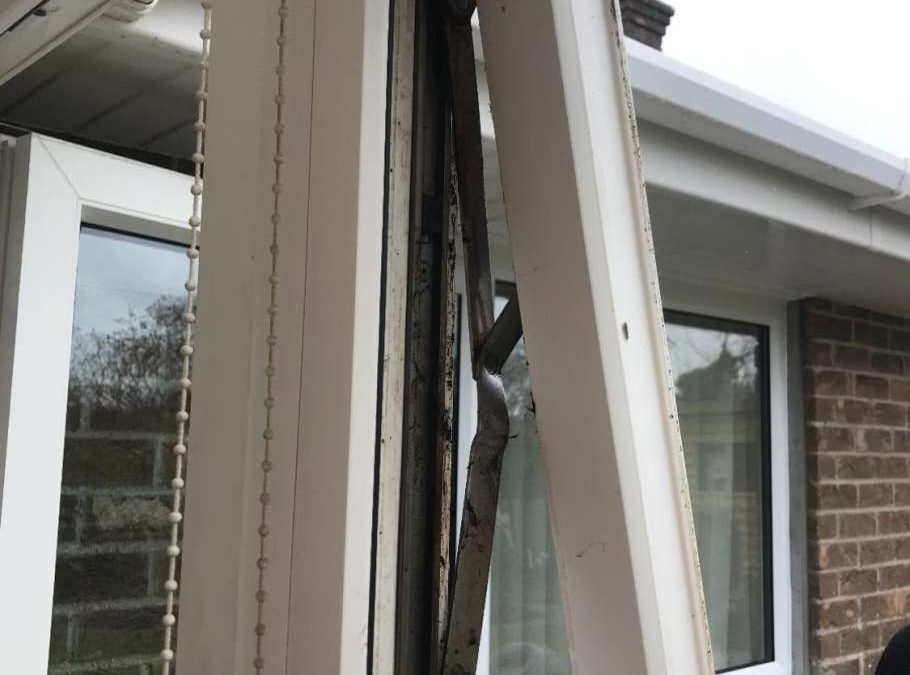
Is your window becoming difficult to open, making a scraping noise or refusing to close properly? Worn or damaged window hinges could be the cause.
Window hinges are easy to overlook until something stops working. They help support the opening section of your window, guide its movement and allow it to close securely against the frame. When they begin to fail, you might notice draughts, uneven gaps or a window that no longer sits correctly.
The good news is that faulty hinges do not automatically mean you need a new window. Understanding why window hinges fail and recognising the warning signs can help you arrange a suitable repair before the problem gets worse.
What Causes Window Hinges To Fail?
Window hinges usually fail because of gradual wear, corrosion, a lack of maintenance or excessive strain on the opening mechanism. Over time, these problems can prevent the window from moving smoothly or closing tightly.
Many modern uPVC and aluminium casement windows use friction stays. These are metal hinge mechanisms that support the opening sash and control how it moves. When the moving parts become worn, bent or seized, the window may start to drop, stick or leave gaps around the frame.
The cause is not always obvious from looking at the hinge alone, so it helps to consider how the window behaves.
Five Common Reasons Window Hinges Deteriorate
Everyday Wear & Tear
Every time a window opens or closes, its hinges move and support the weight of the sash. Over many years, this repeated movement can wear the pivot points and sliding components.
As the mechanism becomes loose or worn, the window may no longer follow its original opening path. You might notice that it takes more effort to close or needs lifting slightly to line up with the frame.
Moisture & Corrosion
Window hinges are exposed to changing temperatures, moisture and condensation. If corrosion develops around the moving parts, the mechanism can become stiff or difficult to operate.
This is particularly relevant for properties exposed to Cornwall’s coastal weather. Salt-laden air can accelerate corrosion on susceptible metal components, especially where protective finishes have deteriorated.
Not every stiff hinge is corroded, but visible rust or rough movement is worth investigating.
Dirt & Debris Build-Up
Dust, grit and other debris can collect in the tracks of friction hinges, particularly on windows that are frequently left open.
A build-up of dirt may restrict movement or increase friction between the sliding parts. If the window is then forced, additional strain can be placed on the hinge mechanism.
Keeping accessible hinge tracks clean can help reduce unnecessary wear.
Excessive Force & Wind Damage
Forcing a stiff window shut or allowing it to swing against its opening limit can damage the hinges.
Strong gusts can also place sudden pressure on an open window. This may bend or distort components, particularly if the mechanism is already worn or the sash is not adequately supported.
If a window has become difficult to operate after being caught by the wind, avoid forcing it back into position.
Incorrect Fitting & Misalignment
Not all hinge problems develop through age. Incorrectly fitted hinges, unsuitable replacement parts or an opening sash that is out of alignment can also cause premature wear.
For example, if the hinges do not properly support the size and weight of the sash, the window may gradually drop or fail to close evenly.
Replacing a hinge without identifying the underlying alignment problem may not provide a lasting solution.
Seven Warning Signs Your Window Hinges May Need Replacing
Window hinge failure often develops gradually. These are some of the most common signs that something is wrong.
- The window is difficult to open or close. You need to apply more pressure than usual, or the movement feels stiff and uneven.
- The opening sash has dropped. The window appears to sit lower on one side or catches against the frame.
- You can see gaps when the window is closed. The sash no longer pulls evenly against the surrounding seals.
- You can feel a draught around the frame. Worn hinges may prevent the window from closing tightly, allowing cold air through.
- The window makes scraping or grinding noises. Metal components may be rubbing together or the sash may be catching on the frame.
- The window feels loose or unstable. Excessive movement in the hinge mechanism can affect how securely the sash is supported.
- There is visible rust, bending or damage. Corroded or distorted components may no longer operate as intended.
One symptom alone does not confirm that the hinges need replacing. Faulty handles, locking mechanisms, seals or general sash misalignment can produce similar problems.
However, if several of these signs appear together, it is sensible to have the window assessed.
Can Faulty Hinges Cause Draughts & Heat Loss?
Yes. Faulty window hinges can contribute to draughts if they prevent the opening sash from closing tightly against its seals.
A casement window relies on the hinges, locking mechanism and seals working together. If the hinges are worn or the sash has dropped, pressure may be uneven around the frame.
This can leave small gaps where cold air enters, particularly during windy weather.
You might notice:
- Cold air around one corner of a closed window.
- A whistling noise when the wind picks up.
- Movement or rattling in the opening section.
- A visible gap between the sash and frame.
- A window that only seals properly when pushed firmly shut.
These symptoms are not always caused by the hinges. Damaged seals, poor adjustment and problems with the locking mechanism can have a similar effect.
Identifying the actual source of the draught is important before replacing any parts.
Can You Repair Window Hinges Without Replacing The Window?
In many cases, yes. If the window frame and opening sash are otherwise in good condition, faulty hinges can often be replaced without installing an entirely new window.
This is one reason we recommend investigating smaller faults before considering full replacement.
For example, a uPVC window that has become difficult to close may simply have worn friction stays. Replacing them with suitable components and checking the sash alignment could restore normal operation.
However, the right approach depends on the condition of the window. If the frame is distorted, the fixing points are damaged or there are other significant problems, replacing the hinges alone may not resolve the issue.
Our guide to repairing or replacing your windows explains some of the wider factors worth considering.
Should You Lubricate Or Replace Stiff Window Hinges?
It depends on why the hinges are stiff.
If dirt or minor friction is restricting movement, cleaning accessible tracks and following the window manufacturer’s maintenance guidance may help. Some hinge mechanisms have specific lubrication requirements, so it is important to use only products suitable for the fittings.
However, lubrication will not repair a bent hinge, restore badly worn pivot points or correct a dropped sash.
If the mechanism is visibly damaged, excessively loose or severely corroded, replacement may be the more appropriate option.
Avoid applying excessive lubricant or forcing the window to move. Forcing a damaged mechanism may cause further harm.
How To Check Your Window Hinges Safely
You can look for some common warning signs without dismantling the window.
- Open the window gently. Notice whether the movement is smooth or whether it catches at a particular point.
- Look at the hinge tracks. Check accessible areas for dirt, corrosion or visible damage.
- Check how the window sits. When closed, look for uneven gaps around the sash.
- Listen for unusual noises. Scraping, grinding or clicking can indicate that something is not moving correctly.
- Pay attention to the handle. If locking the window has become difficult, the sash may no longer be lining up correctly.
Do not lean out of an upstairs window, remove hinge fixings or attempt to support a heavy opening sash yourself.
If the window feels unstable, appears at risk of coming loose or will not close securely, stop operating it and arrange a professional assessment.
How To Help Your Window Hinges Last Longer
Although hinges will eventually wear, a little routine care can help prevent avoidable problems.
Keep accessible tracks clear of dust and debris, and avoid allowing windows to slam shut in strong winds. Open and close them gently rather than forcing a stiff mechanism.
It is also worth checking periodically for corrosion, unusual movement and changes in how tightly the window closes.
For coastal properties, keeping exposed fittings clean and following the manufacturer’s maintenance recommendations can be particularly useful.
Most importantly, deal with small changes early. A window that has started catching on the frame may be easier to address before the mechanism becomes badly damaged.
When Is It Time To Get Your Window Hinges Checked?
If your window is becoming harder to close, catching on the frame or letting in cold air, it is worth investigating before the problem develops further.
Faulty hinges are often a repairable issue, and replacing worn components may allow you to keep the existing window for longer. The important thing is to establish whether the hinges are responsible or whether another part of the window needs attention.
At Coast2Coast Window Repairs, we help homeowners across Cornwall with faulty window hinges, handles, locks and other common window problems. We focus on practical repairs wherever possible and offer free quotations.
If you’re concerned about a stiff, dropped or poorly closing window, explore our glazing and window repair services or get in touch for a free repair quote.